01यम
Yamas
Guidelines for relationships
Behaviors and attitudes: how to live in harmony with our environment.
New podcast · Choose. Focus. Sustain. · December 2026
Lesson by lesson through yoga’s history and philosophy, with parables from the gurus Julio has met along the way, and honest talk about where wellness culture loses the plot.
What is Yoga?
Defining Yoga can depend on the lens one looks through, who, and when you ask. The philosophy of “Classical” Yoga can be defined as one of the many classical Indian Darśanas: schools of thought, lenses, or mirrors for interpreting reality.
The word Yoga is first mentioned in the Vedas of India. It develops philosophically through the Śramaṇa movement, Sāṃkhya Darśana, the Upanishads, the Bhagavad Gita, the Pātañjalayogaśāstra, and many other rich yet lesser-known texts. The term Yoga is also used to describe the result of Yoga itself: union, through recognition of the self’s true nature, or unfettered and transparent discernment with no wild waves or confusion from the mind.
Classical Yoga is a comprehensive system that encompasses philosophy, psychology, and science, formalized by the Pātañjalayogaśāstra, also known as the Yoga Sutras. It involves controlling the nervous system through breath control, enhancing awareness of psychological impressions, and preparing the mind and body for focused concentration and meditation.
It teaches self-observation and consciousness to prevent repeated mistakes, and brings us closer to a higher power or our inner selves, depending on one’s beliefs.
“The ultimate goal of Yoga is to always observe things accurately and therefore never act in a way that will make us regret our actions later.”
T.K.V. Desikachar
How does it work?
Asana, the physical postures commonly associated with Yoga, is just one part of the complete system. The other limbs cover lifestyle, relationships, breath control, and meditation.
Guidelines for relationships
Behaviors and attitudes: how to live in harmony with our environment.
Guidelines for lifestyle
How to develop healthier habits and a personal relationship with your self.
Body / physical postures
Asana literally means to sit with the breath. When Yoga’s postures are practiced with grace and non-obsessively, they can assist in improved mental, physical and spiritual well-being.
Breath control
Developing a conscious relationship with your animating force, the breath, brings clarity and consciousness and prepares the mind for meditation.
Sense control & awareness
The conscious withdrawal of energy from the senses: finding the balance between registering the outer world while not distracting the inner.
Focus / concentration
Step one in the meditation process. Choosing a focal point or object of interest to direct attention.
Meditation
The continued strengthening of the connection between the chosen object and the mind.
Absorption
When the mind and the chosen object become one and we lose the sense of self.
Holding the mind’s attention in one direction, like a quiet river. Dhāraṇā is the contact.
A link is established between self and object, a continuous two-way communication. Dhyāna is the connection.
So absorbed that the mind becomes one with the object. Nothing separates us from it.
Prāṇāyāma · Breath is life
Our breath is our connection to the animating force of life. It’s the first thing and last thing we do in our lives, the one constant thing we all have. Breathe with the shapes, one for each kosha: they open as you inhale and close as you exhale, four counts in each stage. Press play below and breathe with the music.
Prāṇa means life force or vital energy; āyāma means to extend or draw out. Freeing the breath lets the life energy flow through the body, energizing, relaxing and healing it.
A regular practice can stimulate the parasympathetic system, countering the overstimulation our bodies go through in the fight-or-flight response.
We breathe differently when angry, excited, tired or nervous. It works the other way too: we can calm or energize ourselves by changing how we breathe.
Pair Ujjāyī with āsana: the breath movement is the body movement. It regulates our effort so we don’t practice from over-effort or athleticism.
Breathe with the music · DJ Lakshmi
Original music Julio composes and plays live in asana classes, sequenced like a journey: arrive, invoke, flow, peak, and beyond.
Reduce the confusion · Duḥkha
Yoga aims to reduce confusion or Duḥkha: suffering, stress, pain, or unease. The confusion is caused by the Kleśas, which arise from how we see ourselves and others, and how we process and cling to our life experiences and impressions.
Identifying the Kleśas, recognizing the suffering, and improving our ability to discern can help us make better choices, leading to more joy and contentment.
Misperception of reality
Ignorance, misconceptions, misunderstandings, incorrect knowledge: the opposite of Vidyā. The root of the other four.
Confused self-image
The veil that sometimes causes us to forget our true identity, whether too big or too small.
Craving
The desire to repeat something that once provided a good feeling or pleasant sensation. From recurring desire to full-blown addiction.
Aversion
The expectation of pain that causes us to avoid something even if there is no longer a problem.
Fear of ending, death or the unknown
What keeps us from living a full and rich life, through attachment to the idea that it will end or repeat.
The anatomy of yoga
Asana works on the outermost layer. The practice goes all the way in. Choose a kosha.
“The success of Yoga does not lie in the ability to perform postures but in how it positively changes the way we live our life and our relationships.”
T.K.V. Desikachar
Your Yoga vs. Modern Postural Yoga
What has become so popular worldwide over the last fifty years is Asana-centric: Modern Postural Yoga. This viral, more physical remix is usually far from the robust contemplative science of awareness that is Patañjali’s Yoga.
There have been several waves of Yoga gaining popularity in the West, each contributing to its many interpretations, projections, fusions, and inevitable distortions: Swami Vivekananda’s speech at the World’s Fair in 1893, the arrival of Swamis and Eastern teachers on Western shores, Krishnamacharya’s profound effect on modern practice, psychedelics, the hippie movement, the West’s obsession with aerobics, exercise and the gross body, and a myriad of brands.
All of this makes it difficult to tell what is authentic from what has been manufactured as a commodity to sell trainings and fill group classes: a 20-billion-dollar industrial complex. To navigate it, start by differentiating what comes from actual Yogic texts, such as the Yoga Sutras and the Haṭha Yoga Pradīpikā, and whether you are following a brand, path, lineage, or style, such as Haṭha, Tantra, Ashtanga, or Vedanta.
Even Haṭha itself has constantly evolving origins and interpretations: from early ascetic and tantric practices, through the Haṭha Yoga Pradīpikā, to the many ways it is taught today.
How do I find my yoga?
The book · Coming soon
The book behind the practice. From the Lesson One teaching template to the eight limbs, the kleśas, the koshas and the constantly evolving origins and interpretations of haṭha: the full Subtle Body Yoga method, in one book.
Your teacher
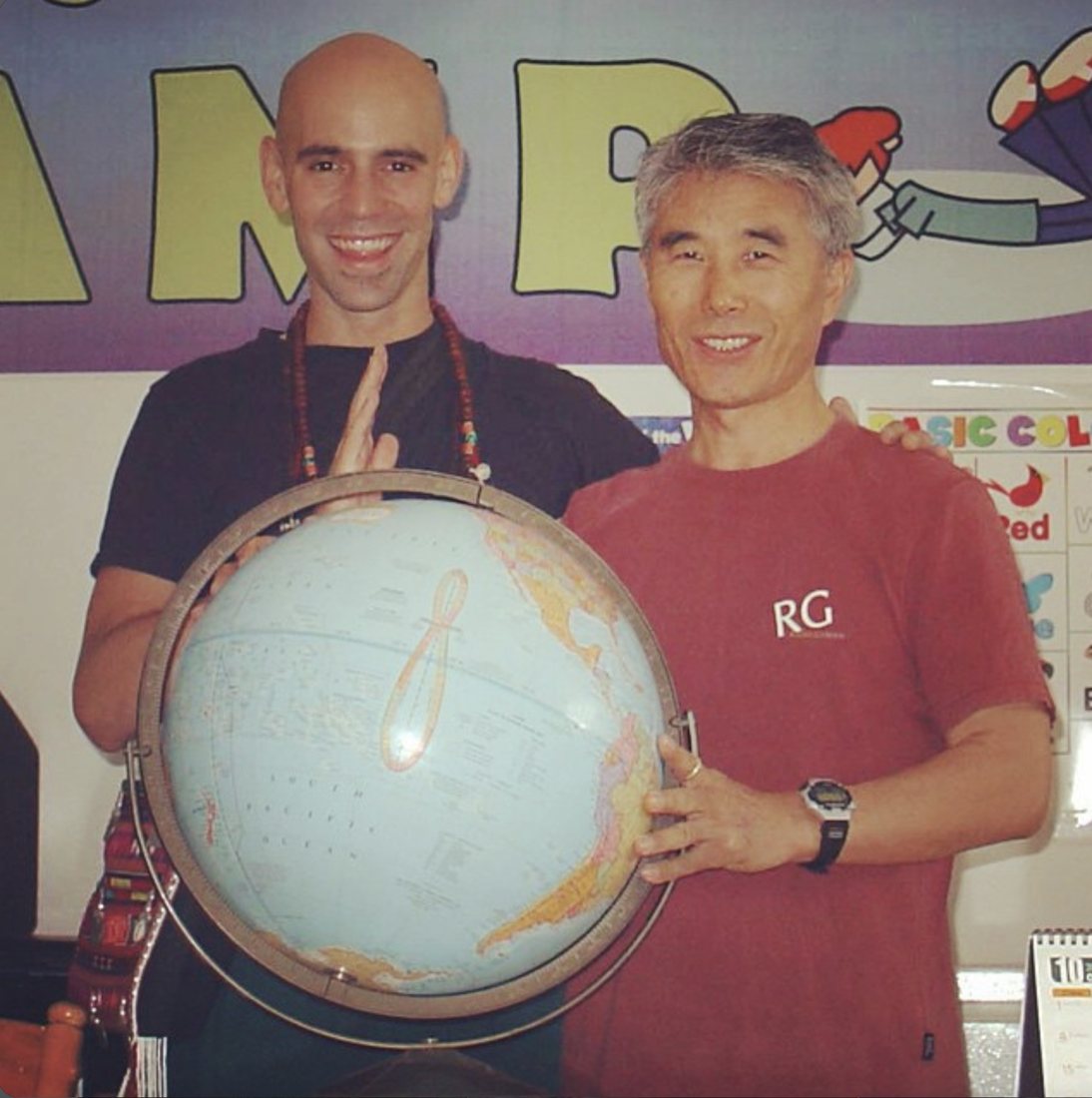
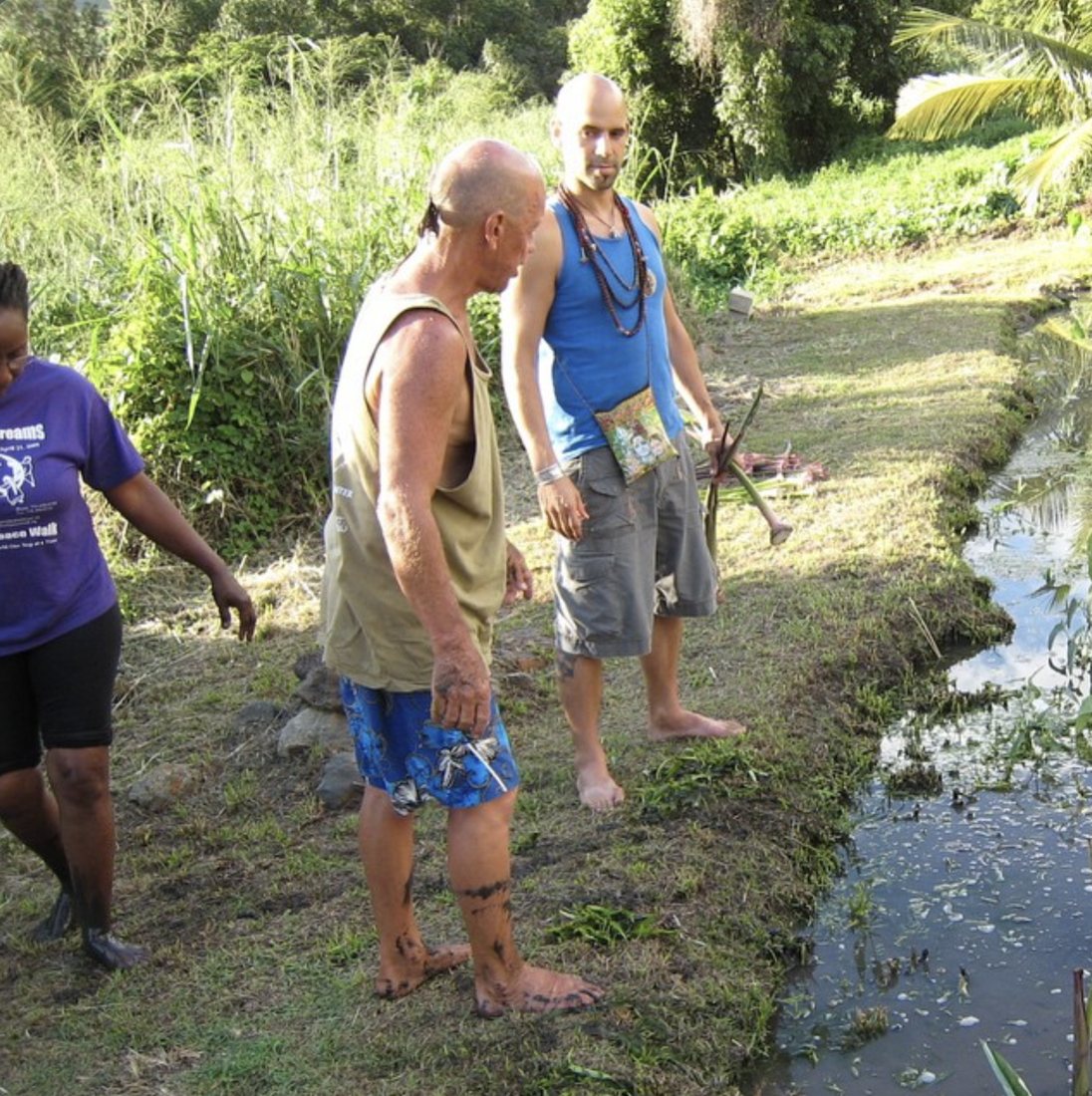
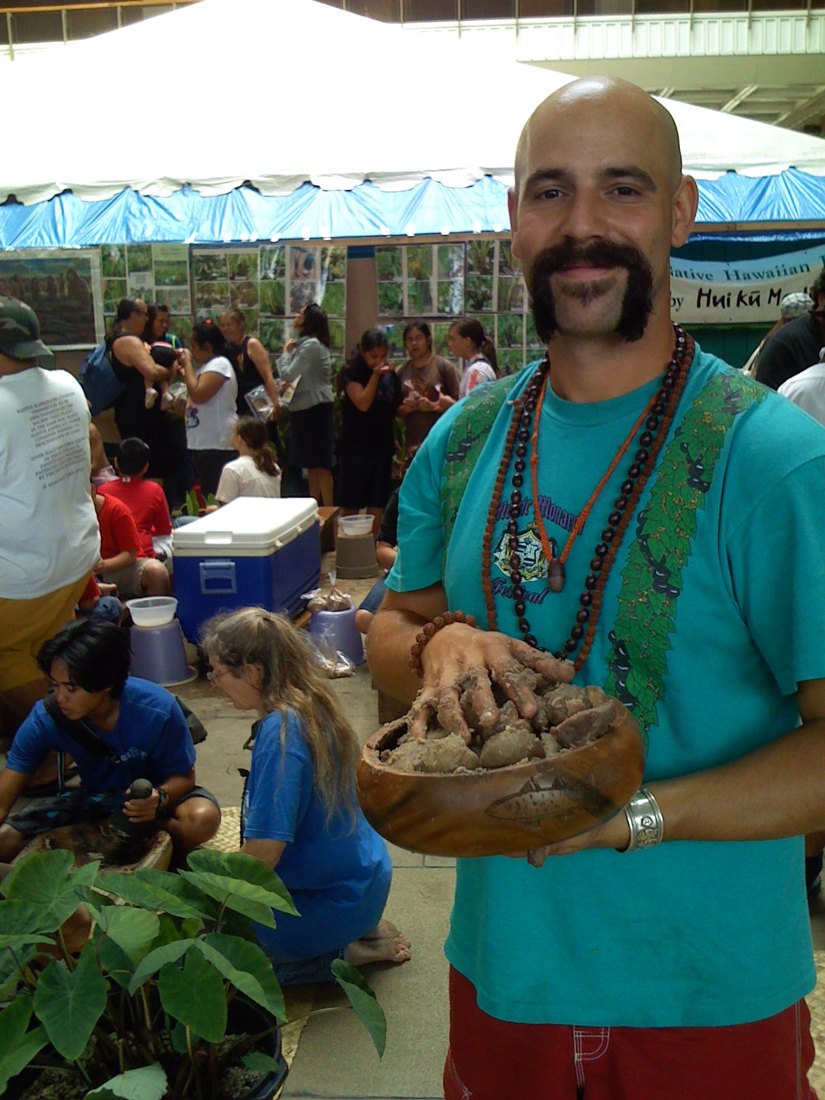
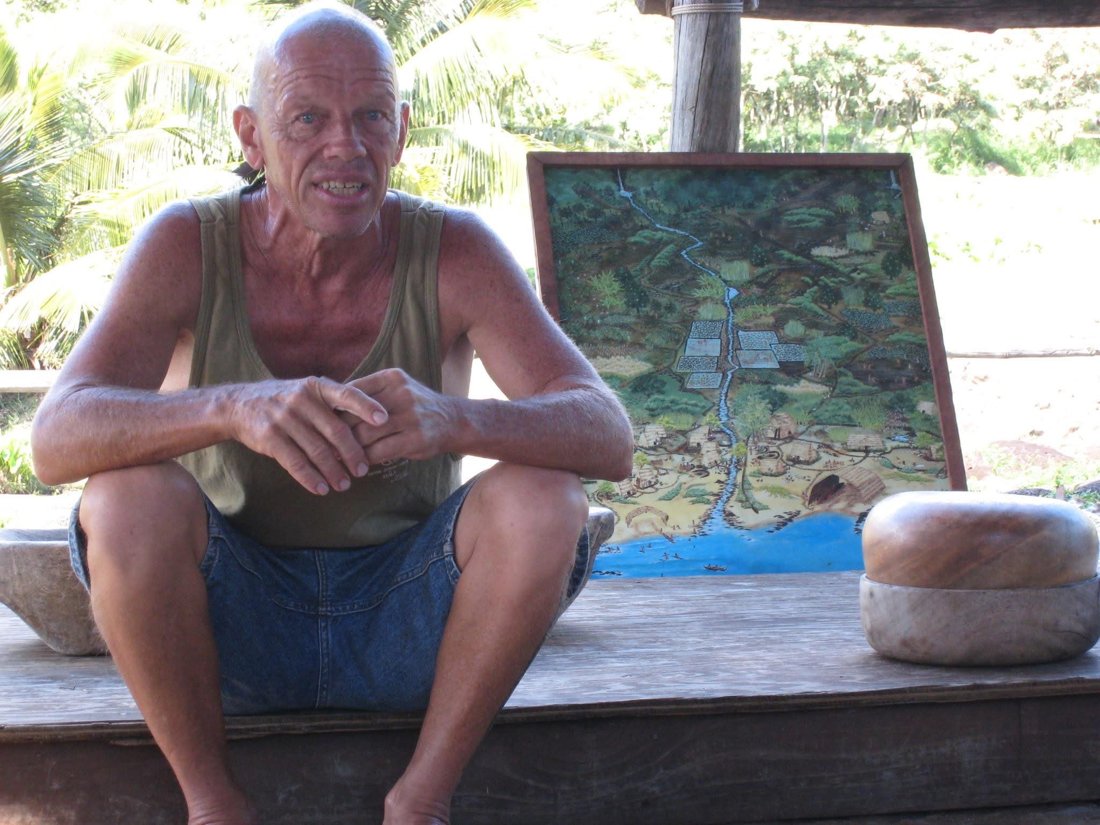
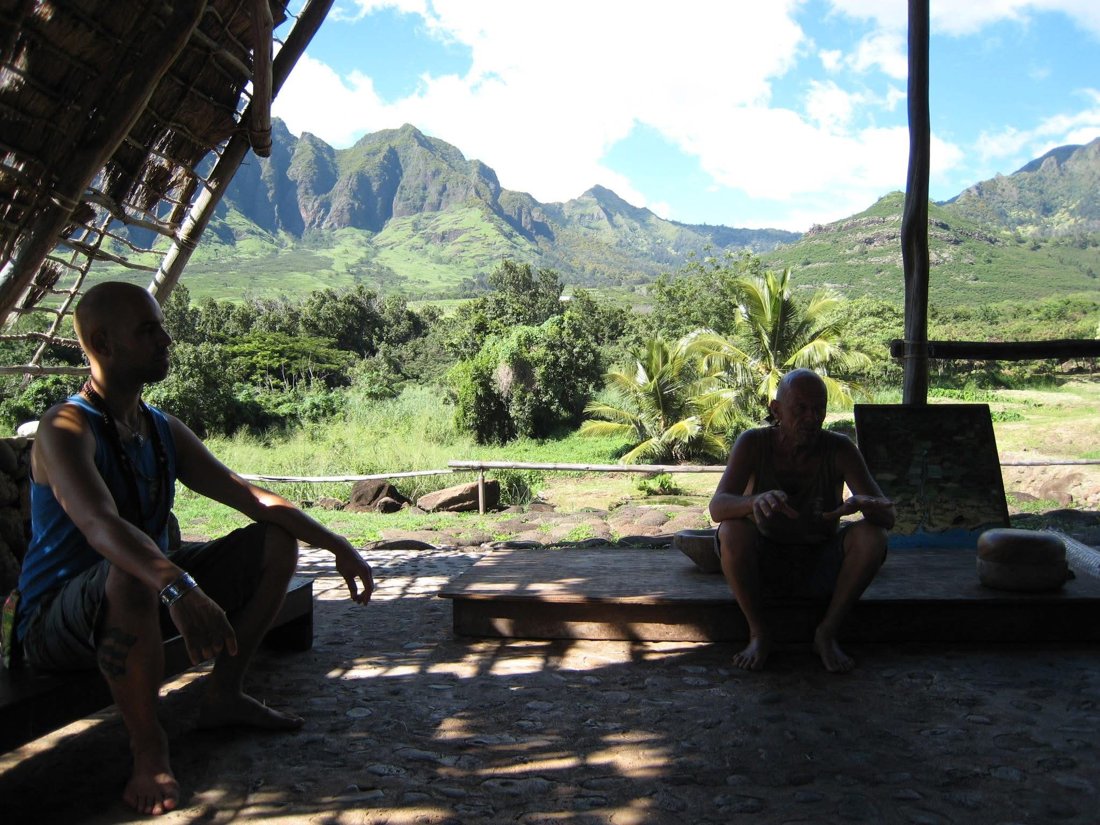
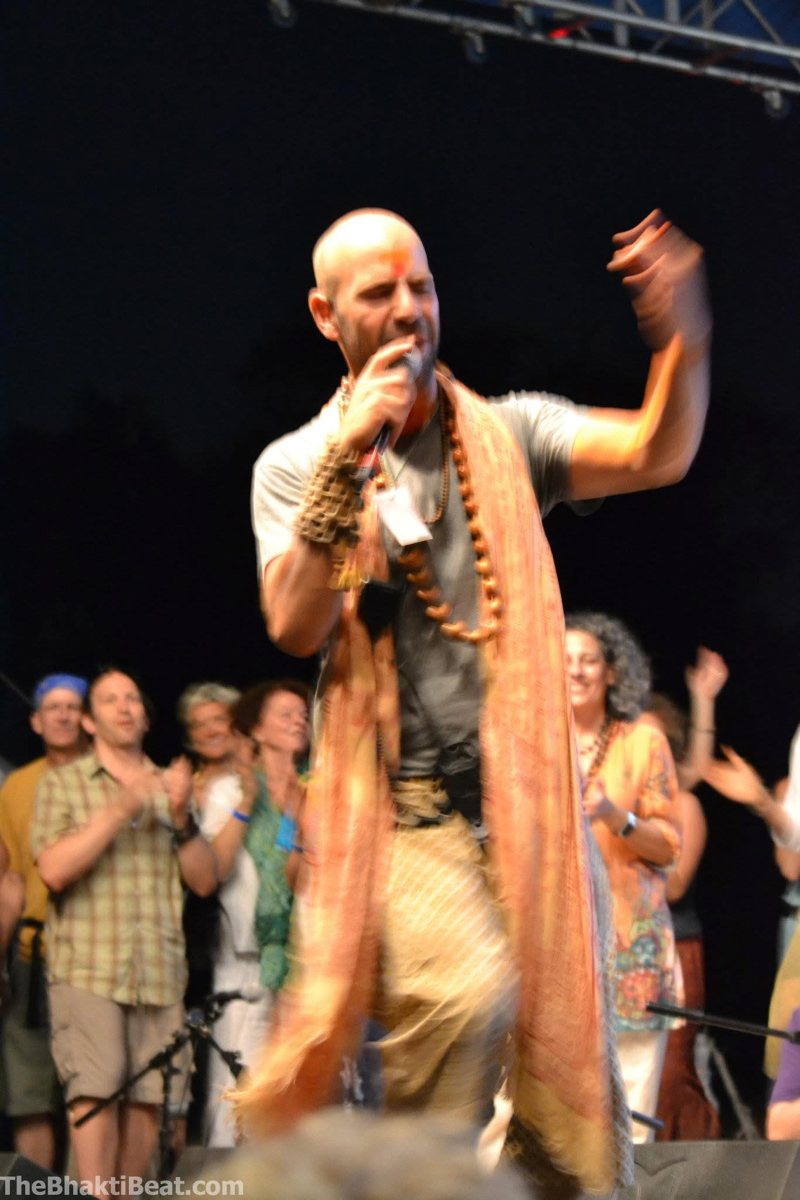
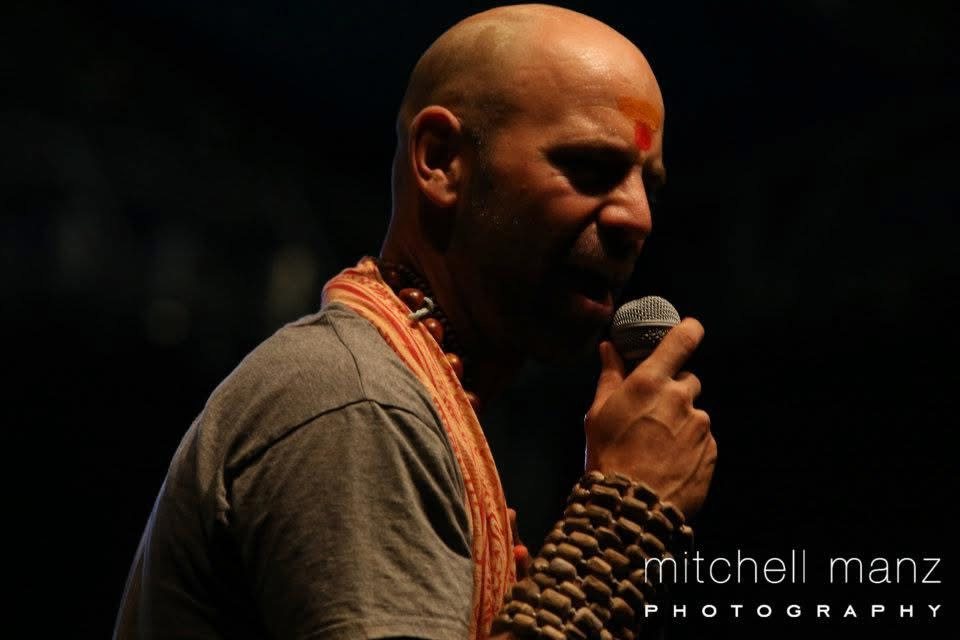
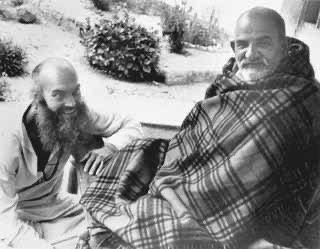
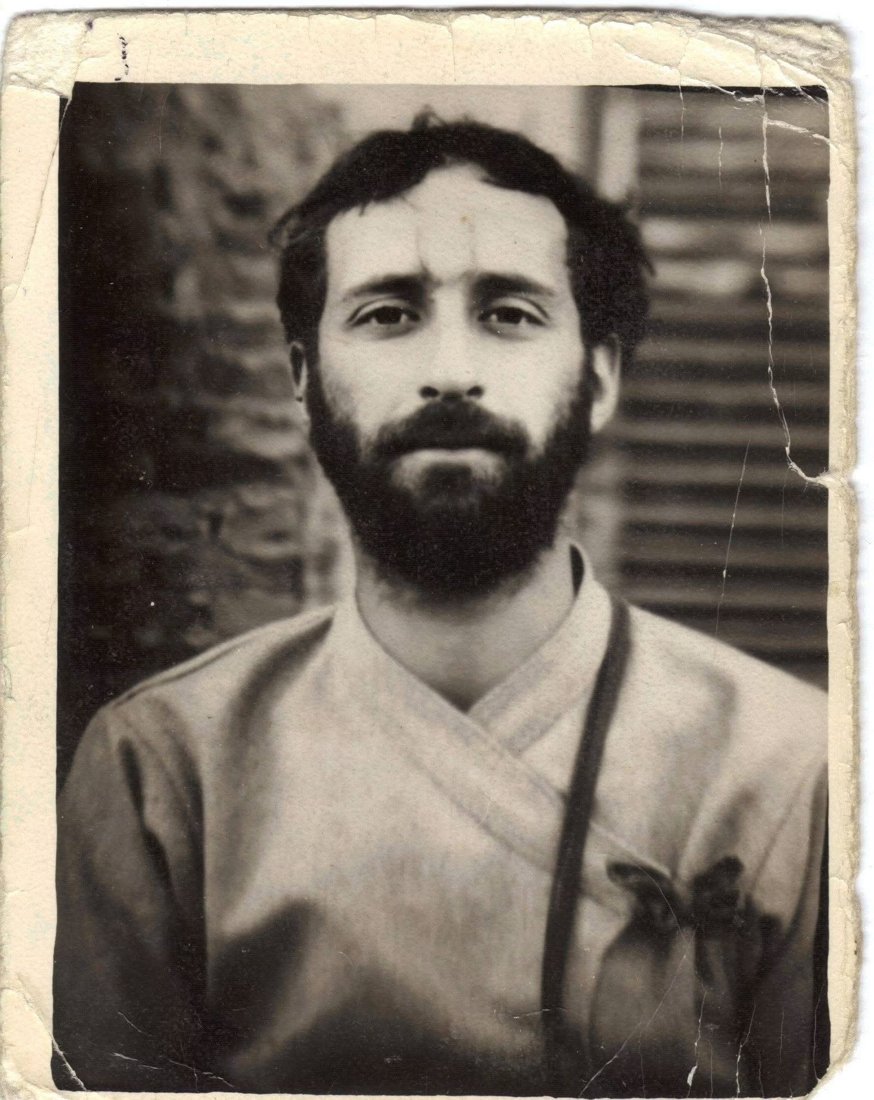
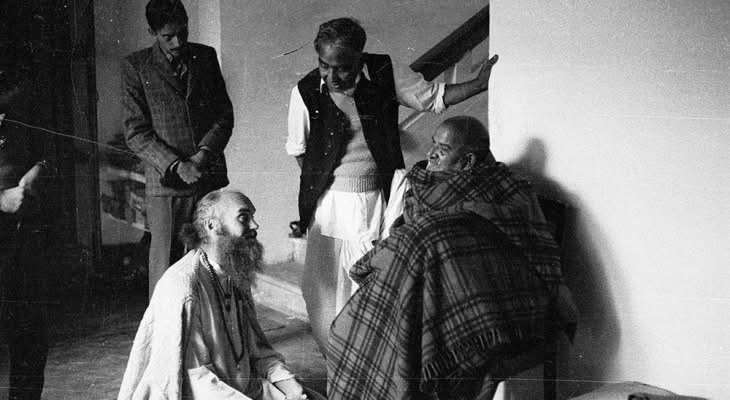
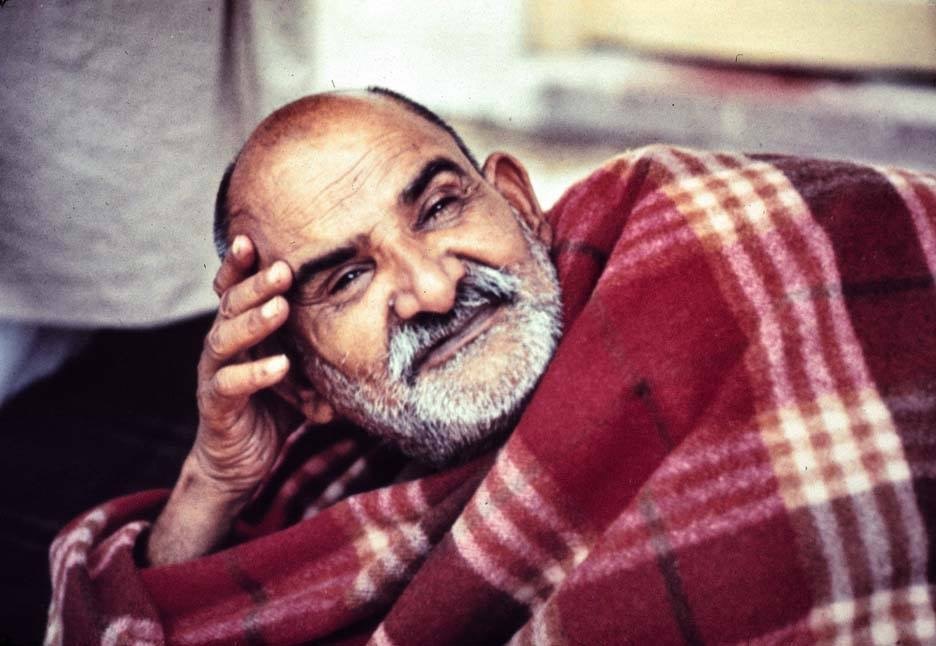
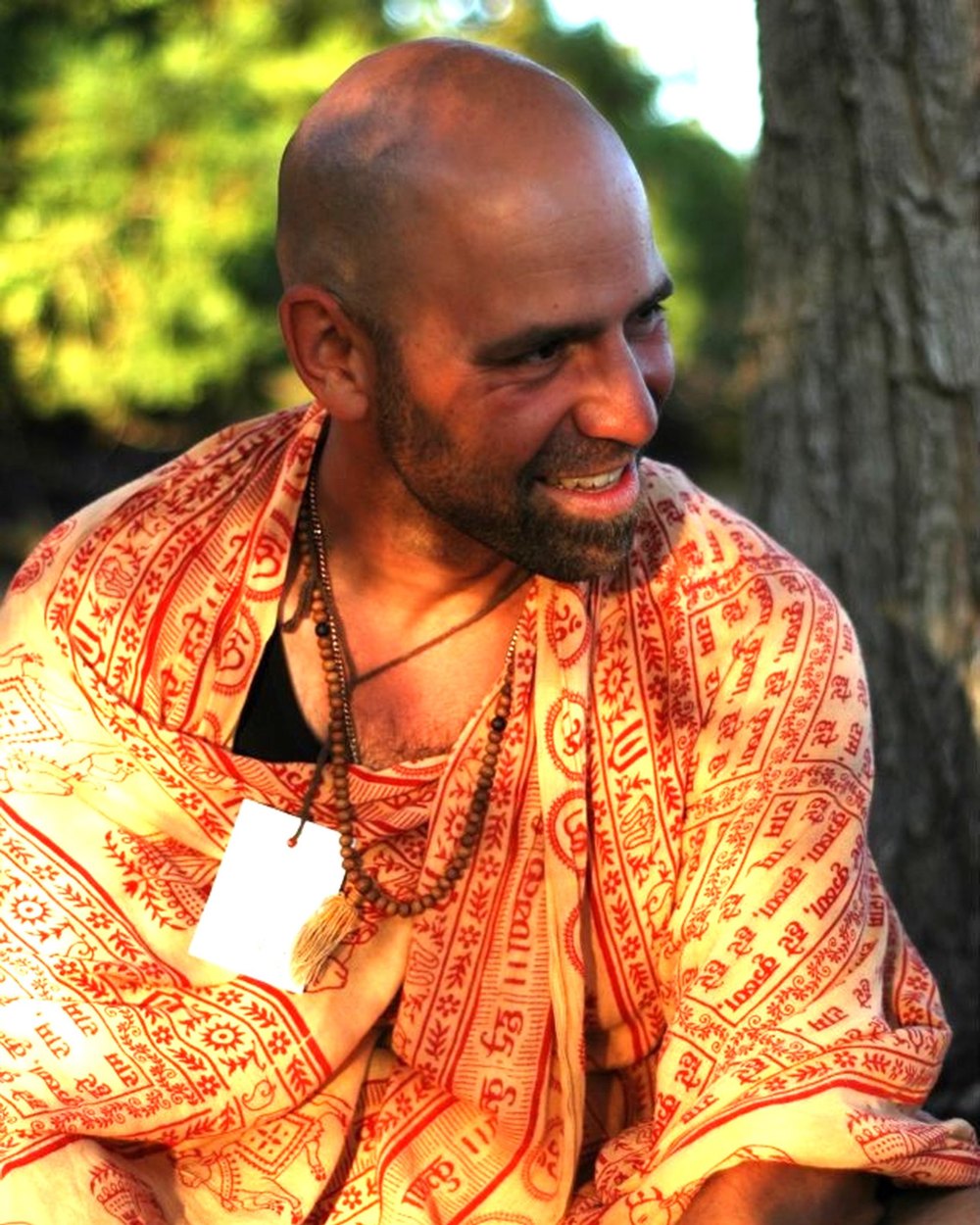
His path began not in a studio but in life: fumbling towards the higher self, producing music for gangster rappers in Hollywood studios, a West Coast rave legend, then a spiritual awakening that led to monastic living at the Won Buddhist Temple in Mākaha and service with indigenous Hawaiian institutions on the Waiʻanae Coast, Oʻahu. In 2004 a meeting with Ram Dass made music, consciousness and yoga a single current.
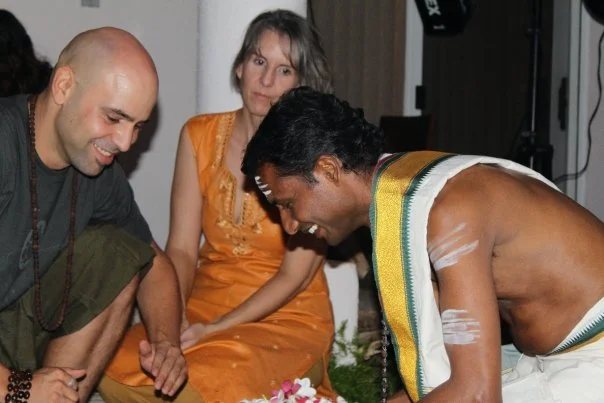
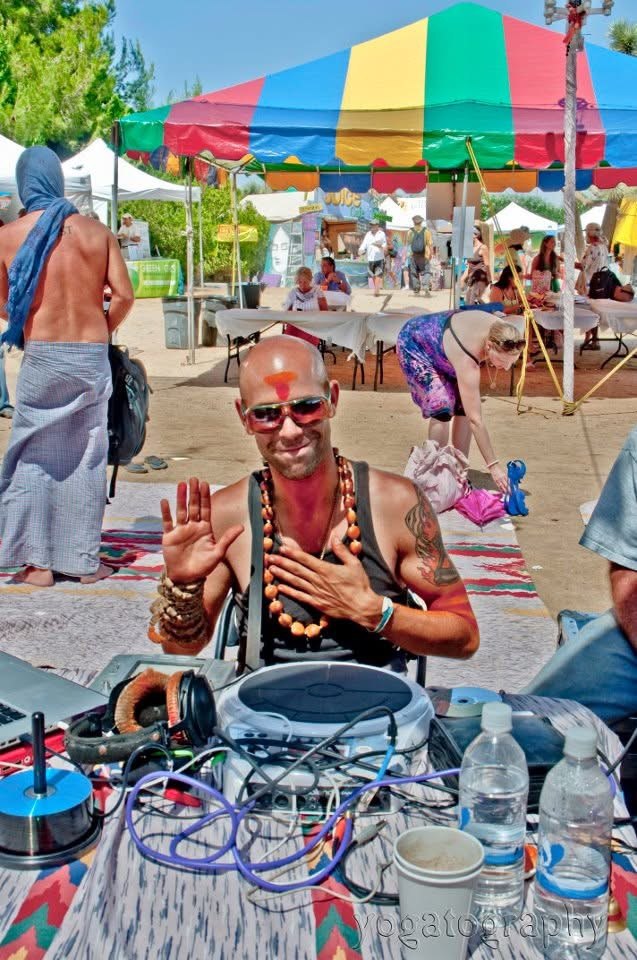
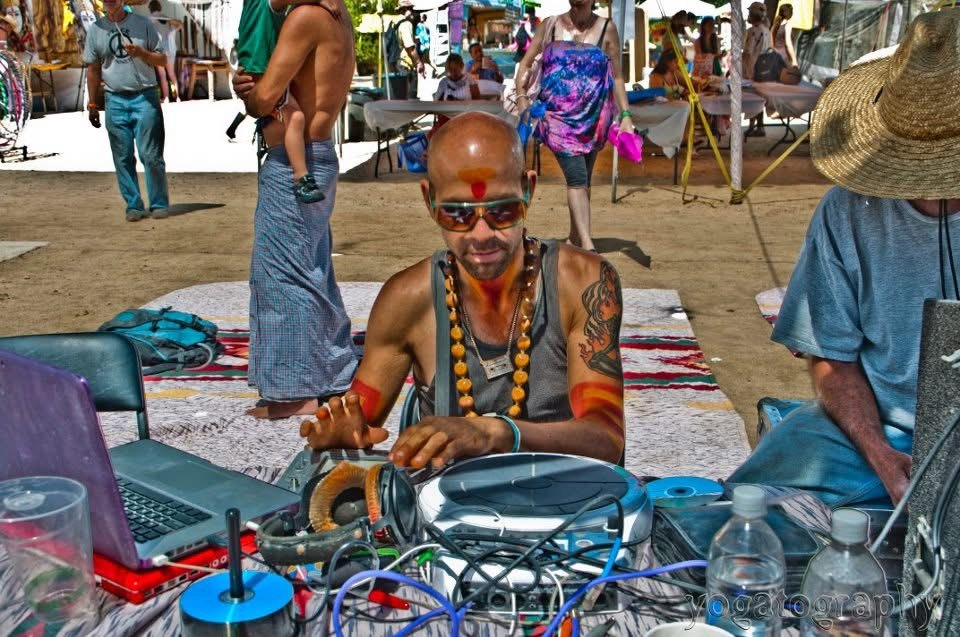
Certified at Prana Yoga Center in La Jolla under Gerhard Gessner, he teaches in the Krishnamacharya–Desikachar lineage and founded Forces of Light, where spiritual teaching meets music, media and emerging technology. He co-produced Bhaktifest and served as its operations manager, and has performed on stages around the world, from Burning Man to Ibiza.
His yoga teaching is mostly one-on-one. He has also taught Yoga Philosophy, the Yoga Sutras and the Haṭha Yoga Pradīpikā at teacher trainings.
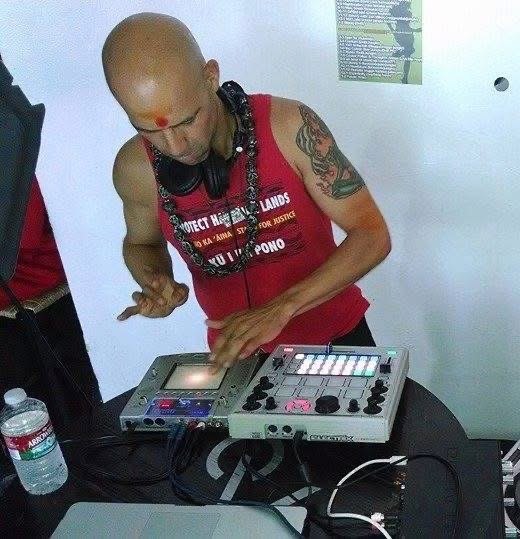
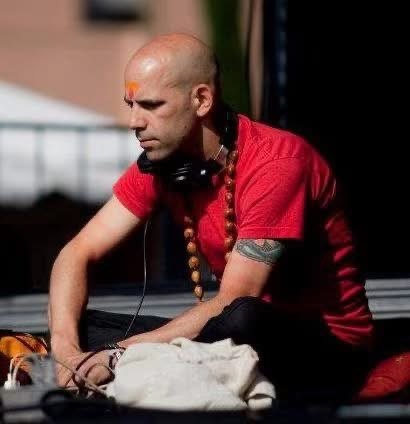
As DJ Lakshmi, Julio is a pioneer of playing original music live in yoga asana classes: composing and performing the soundtrack in the room, in time with the breath of the class.
 Yoga Alliance E-RYT 500 and YACEP (Yoga Alliance Continuing Education Provider)
Roots & lineage
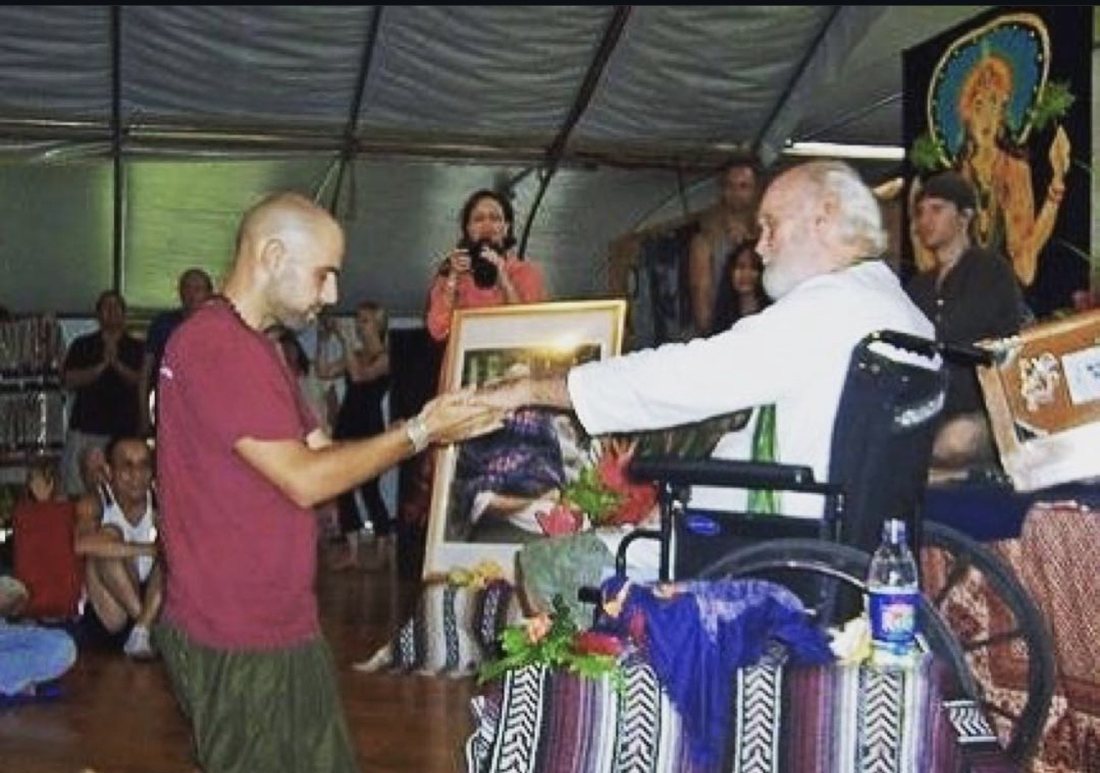
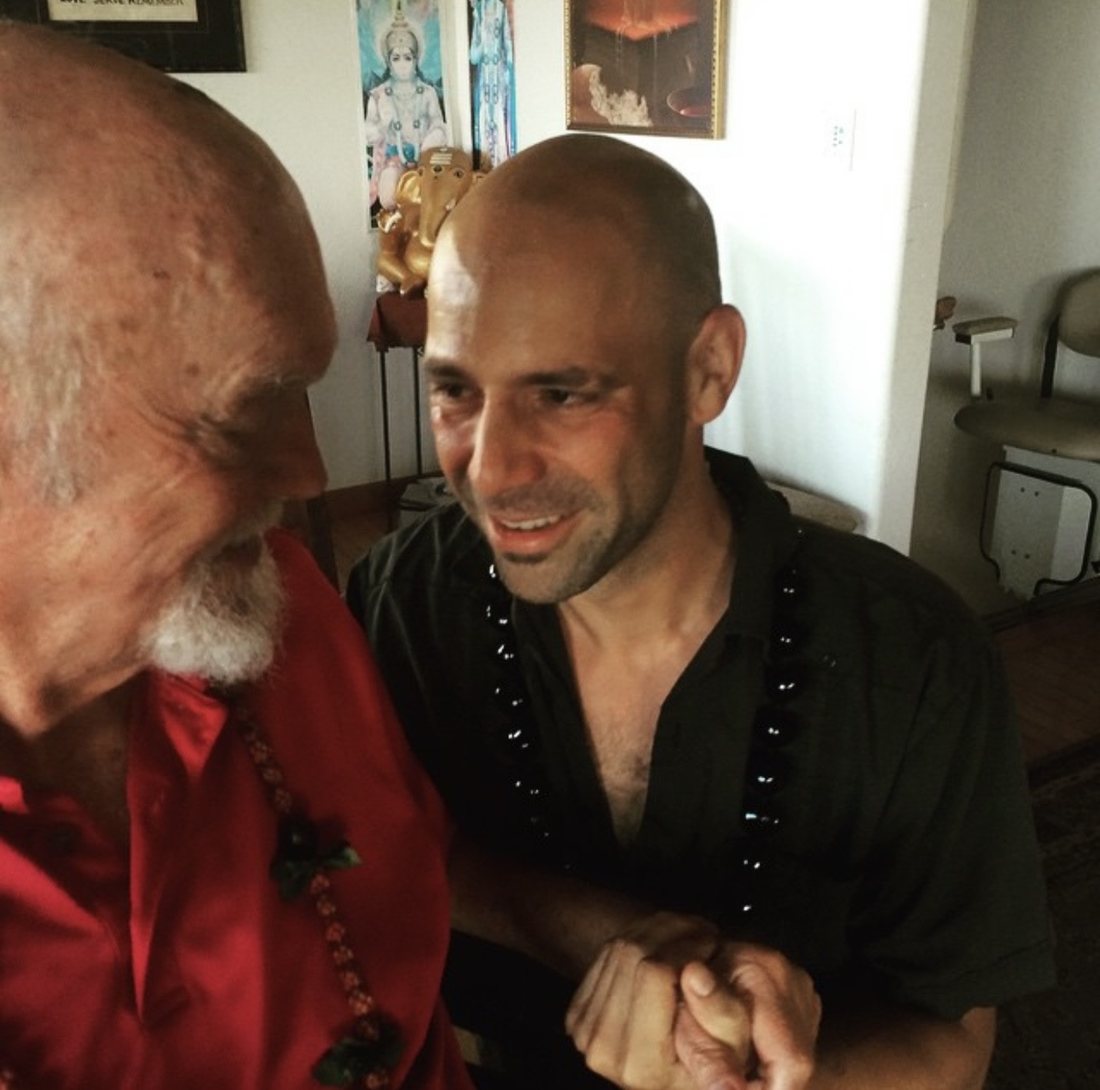
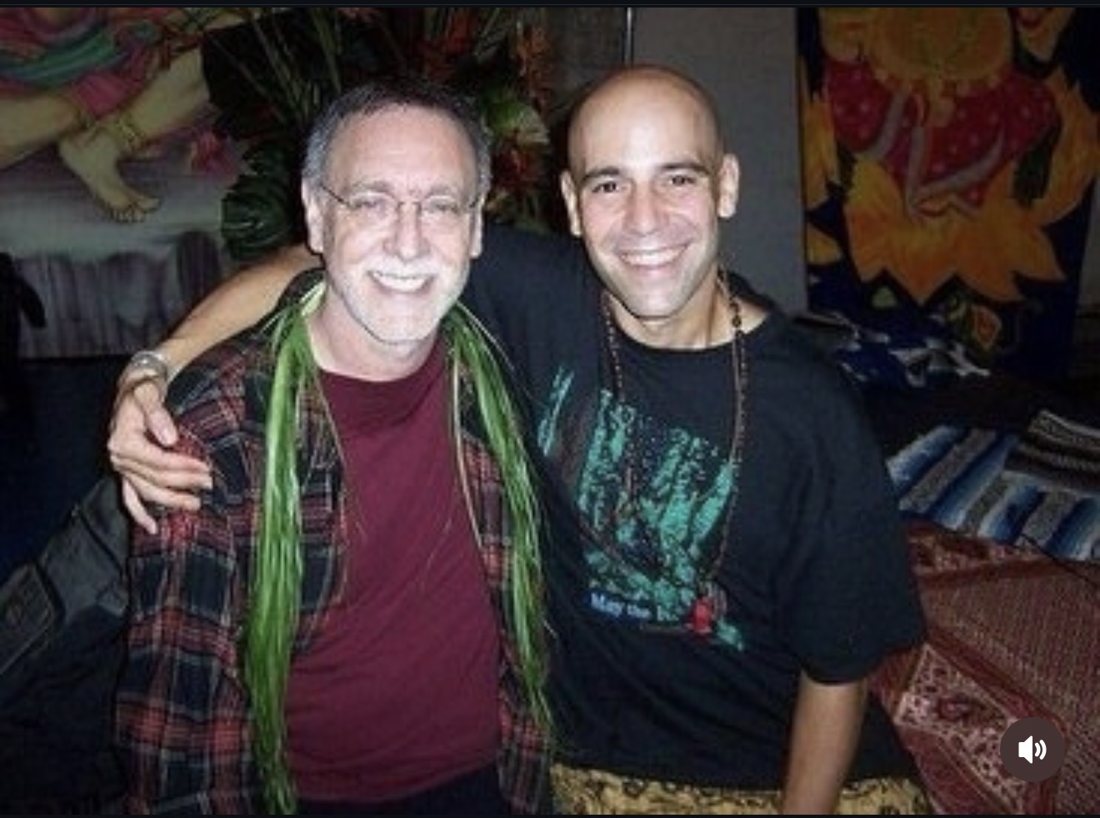
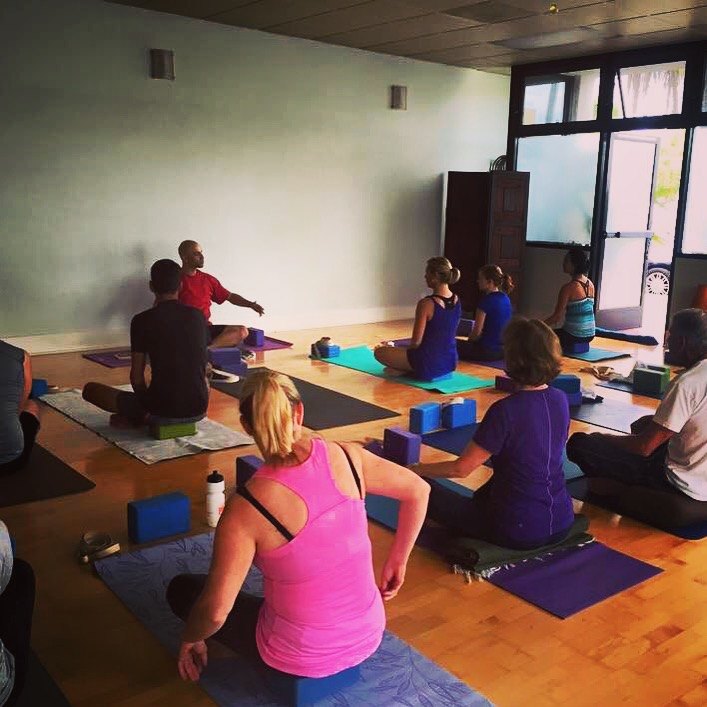
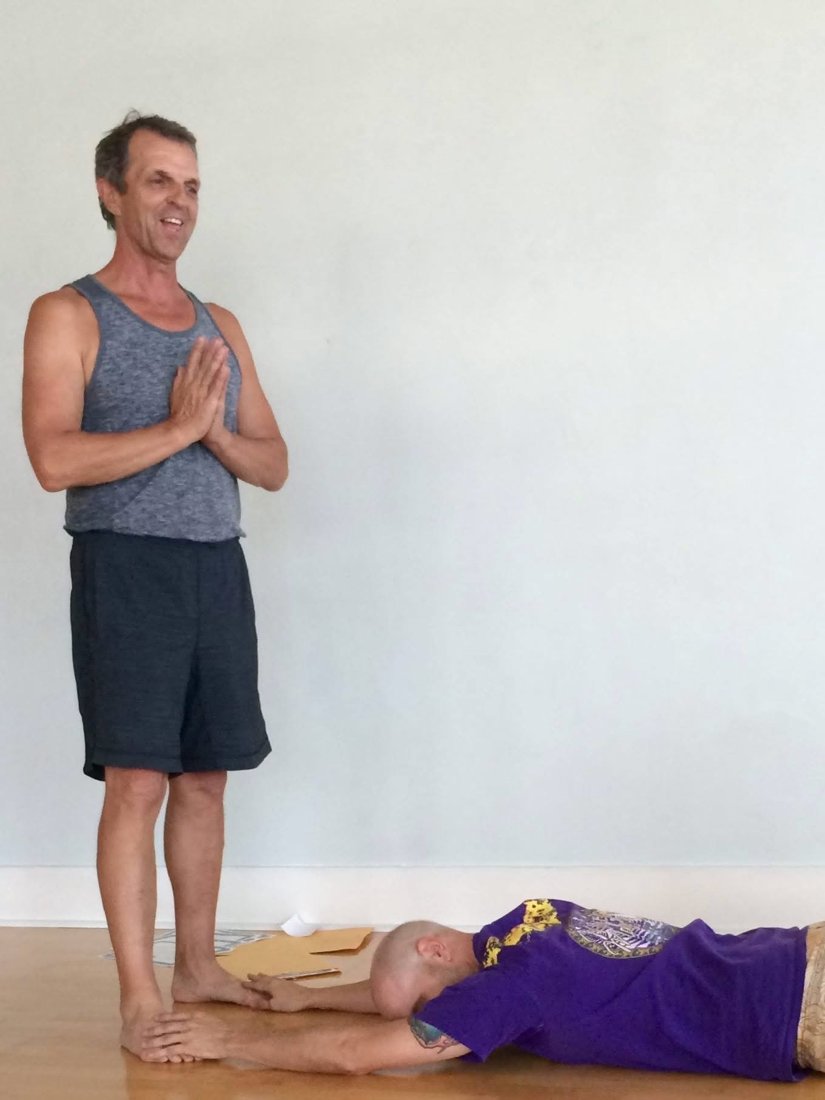
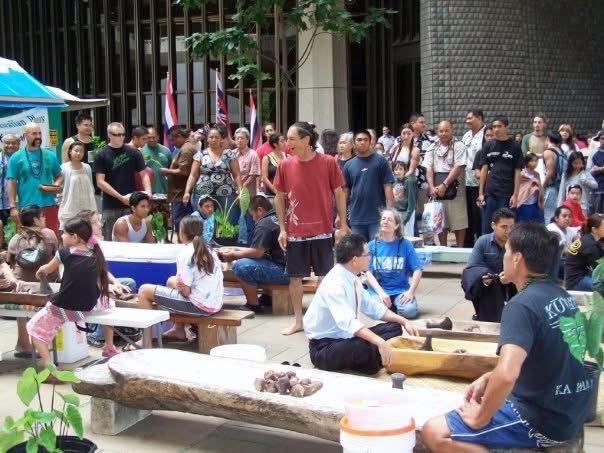
Monastic life at the Won Buddhist Temple in Mākaha, and service in Waiʻanae with Kaʻala Cultural Learning Center and its kūpuna, where study and service are inseparable.